United States visas
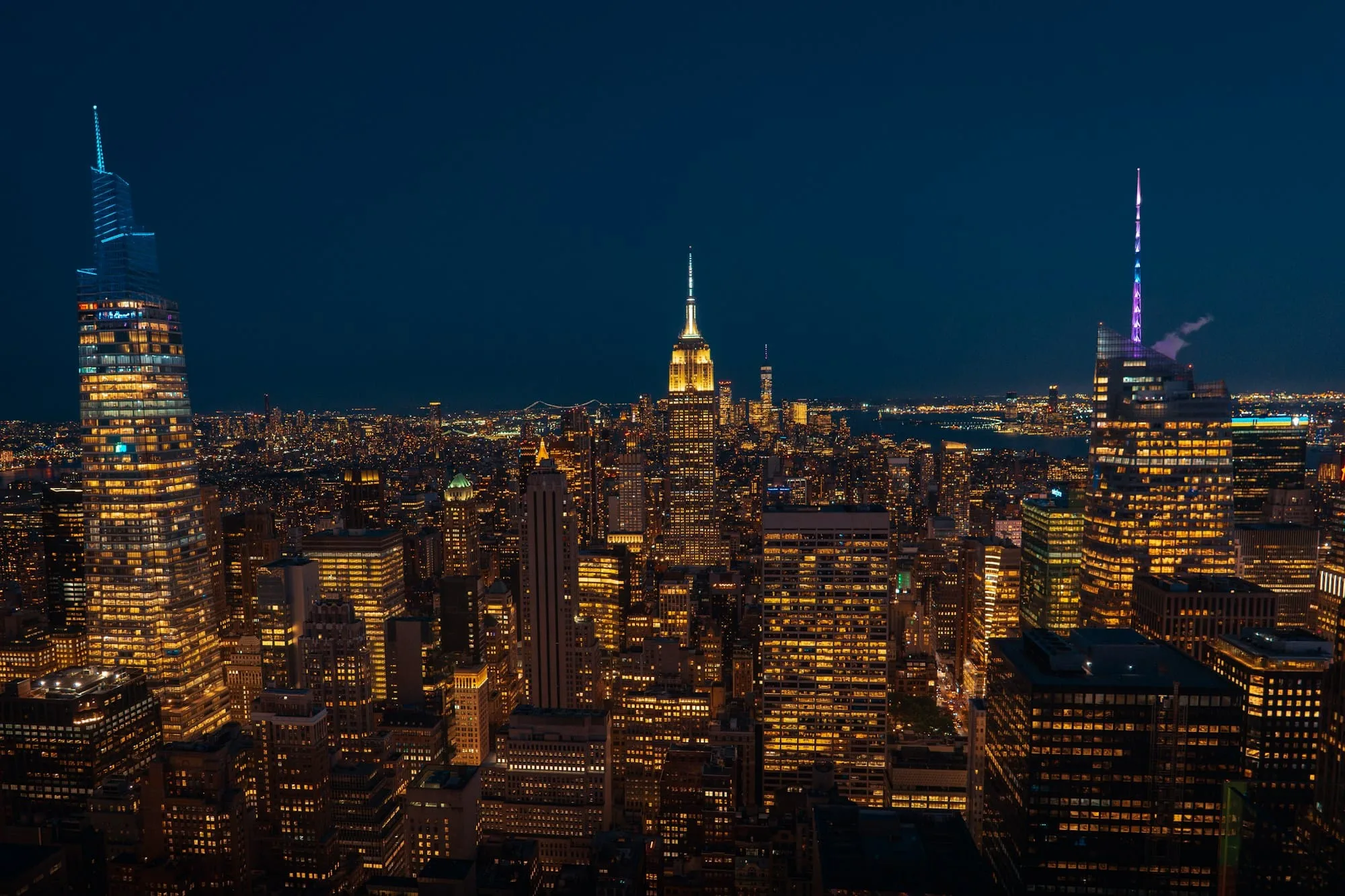
The main USA routes
Each route has its own rules and evidence. These are the ones we are asked about most; an adviser can tell you which one fits your plans.
B-1/B-2 visitor
Business trips, tourism and visiting family.
F-1 student
Full-time study at a US school approved to enrol international students.
J-1 exchange visitor
Approved exchange programmes, internships and research.
Family-based visas
Immigrant visas sponsored by a US citizen or permanent resident relative.
US visas are issued by the Department of State through US embassies and consulates. For most temporary visas, the process is an online form, a fee, and an in-person interview with a consular officer. The interview matters as much as the paperwork.
The main routes
B-1/B-2 visitor
For business trips (B-1), tourism and family visits (B-2), or both. Citizens of some countries can travel for up to 90 days without a visa under the Visa Waiver Program, using an approved ESTA. Everyone else needs a visa. The State Department says an invitation letter from someone in the US is not one of the factors used to decide a visitor visa.
F-1 student
For full-time study at a school approved by the Student and Exchange Visitor Program (SEVP). Your school gives you a Form I-20, and you pay the SEVIS I-901 fee. The State Department says new students' visas can be issued up to 365 days before the course starts, but you cannot enter the US more than 30 days before your start date.
J-1 exchange visitor
For approved exchange programmes, such as internships, research and teaching. Your programme sponsor gives you a Form DS-2019. Some J-1 visitors must return to their home country for two years after the programme, under section 212(e) of US law, unless they get a waiver.
Family-based immigrant visas
For relatives of US citizens and permanent residents. The US relative usually starts by filing Form I-130 with US Citizenship and Immigration Services (USCIS). After approval, the National Visa Center helps with the next steps. Immediate relatives of US citizens are not subject to a yearly limit. Other family categories are limited each year, so the wait depends on the monthly Visa Bulletin. Most sponsors must also sign an Affidavit of Support, which is a legally binding contract.
Before you apply
Check whether you can use the Visa Waiver Program, or need a visa.
Complete the DS-160 form accurately, including your social media usernames.
Use a photo that meets the current rules. Glasses are no longer allowed, except in rare medical cases.
Book your interview in your country of nationality or residence.
Check whether presidential proclamations restricting visas apply to your nationality.
Check whether you need to make your social media profiles public, as the State Department now requires for many visa types.
Gather evidence of your purpose and your ties to home.
Declare every previous refusal, for any country.
Common reasons for refusal
Section 214(b). The officer was not satisfied that you have strong ties to your home country that will make you leave after a temporary stay. This is the most common reason for visitor and student refusals. It is not permanent, and you can reapply if your circumstances change.
Section 221(g). The application is incomplete or needs administrative processing. This is a temporary refusal while more information is provided or checks are completed.
Misrepresentation. Willfully giving false information about a material fact can make you permanently ineligible.
There is no appeal against a temporary visa refusal. Read more in the State Department's page on visa denials.
How long to allow
Since October 2025, most applicants generally need an in-person interview. Waits for appointments vary widely by location. Check the visa appointment wait times page and your embassy's website. Some cases need administrative processing after the interview, which can take longer. Do not buy tickets until you have your visa.
Official sources
This guide is general information, not legal advice.
USA questions, answered
What does a 214(b) refusal mean?
Section 214(b) of US immigration law presumes that every visa applicant intends to immigrate. A 214(b) refusal means the consular officer was not satisfied that you showed strong enough ties to your home country, such as your job, home and family, to leave the US after a temporary stay.
It is not permanent, but there is no appeal. You can reapply with a new form and fee if your circumstances have changed or you have new information.
Do I need an interview for a US visa?
Most applicants do. Since 1 October 2025, the State Department says nonimmigrant visa applicants, including children and older people, will generally need an in-person interview. A small number of renewals may qualify for a waiver, but an officer can still ask you to attend.
You should book your interview in your country of nationality or residence.
Does an invitation letter help my US visitor visa?
The State Department says a letter of invitation or Affidavit of Support is not needed for a visitor visa and is not one of the factors used to decide it.
What matters is your own situation: the purpose of your trip, your ability to pay for it, and your ties to home. Focus on explaining these clearly and truthfully at your interview.
Other destinations
Not sure which route is yours?
Tell us where you are going and why. An adviser will reply within one working day with the options we see.
Or call +44 20 0000 0000Monday to Friday, 9:00–17:30 (UK time)